Sheffield · roasting Tuesday and Thursday
Coffee roasted to the second, not to a colour chart.
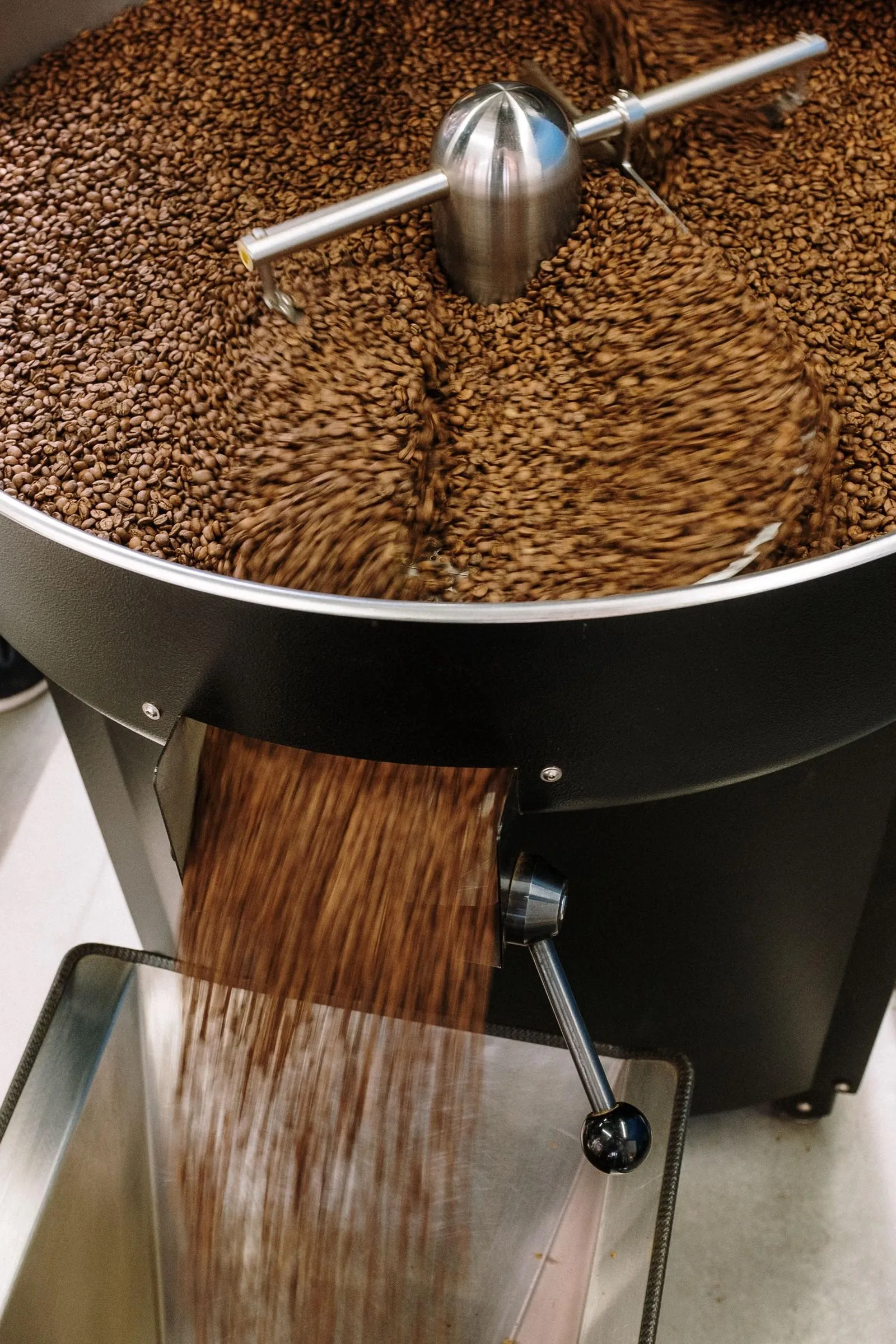
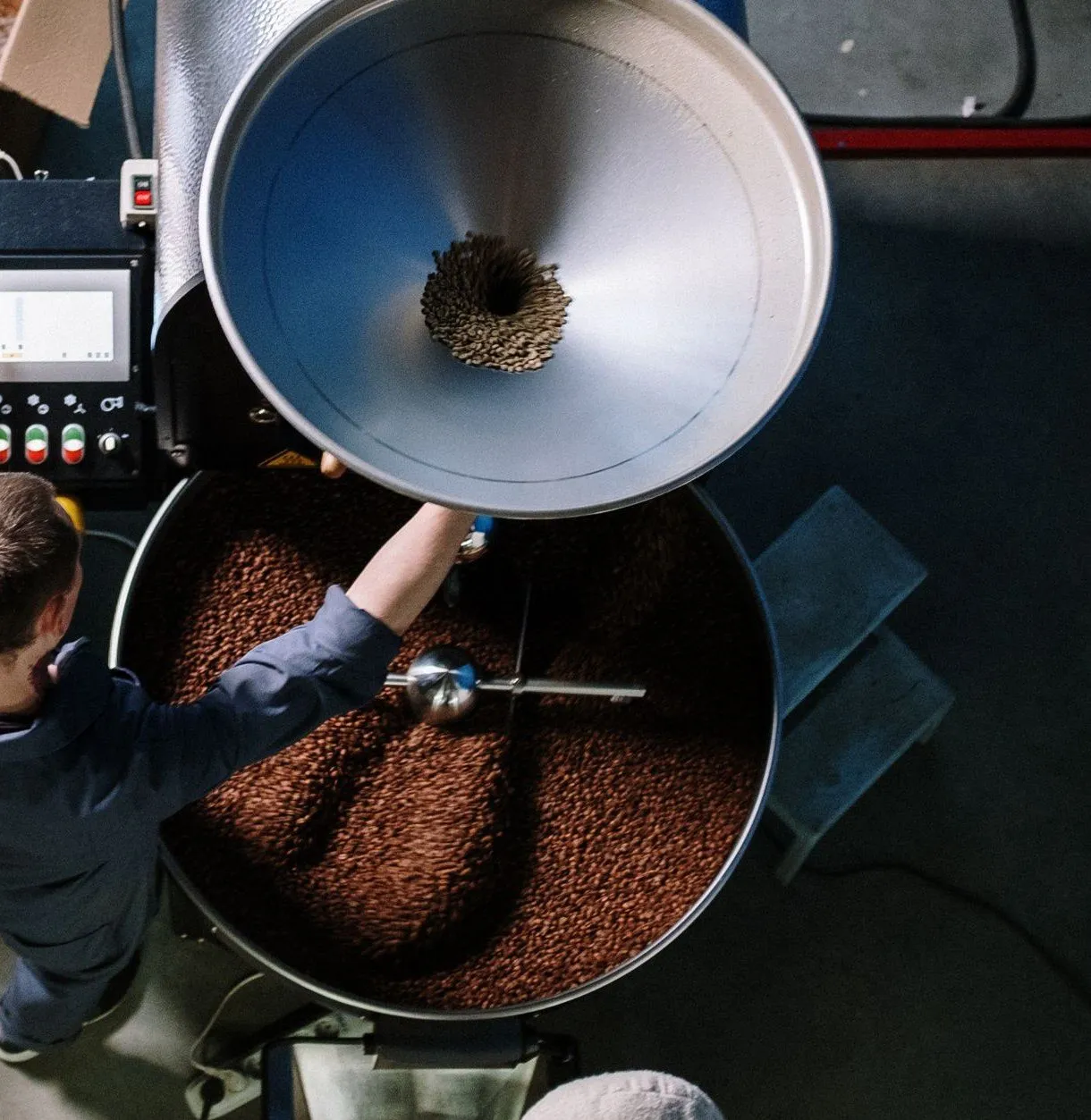
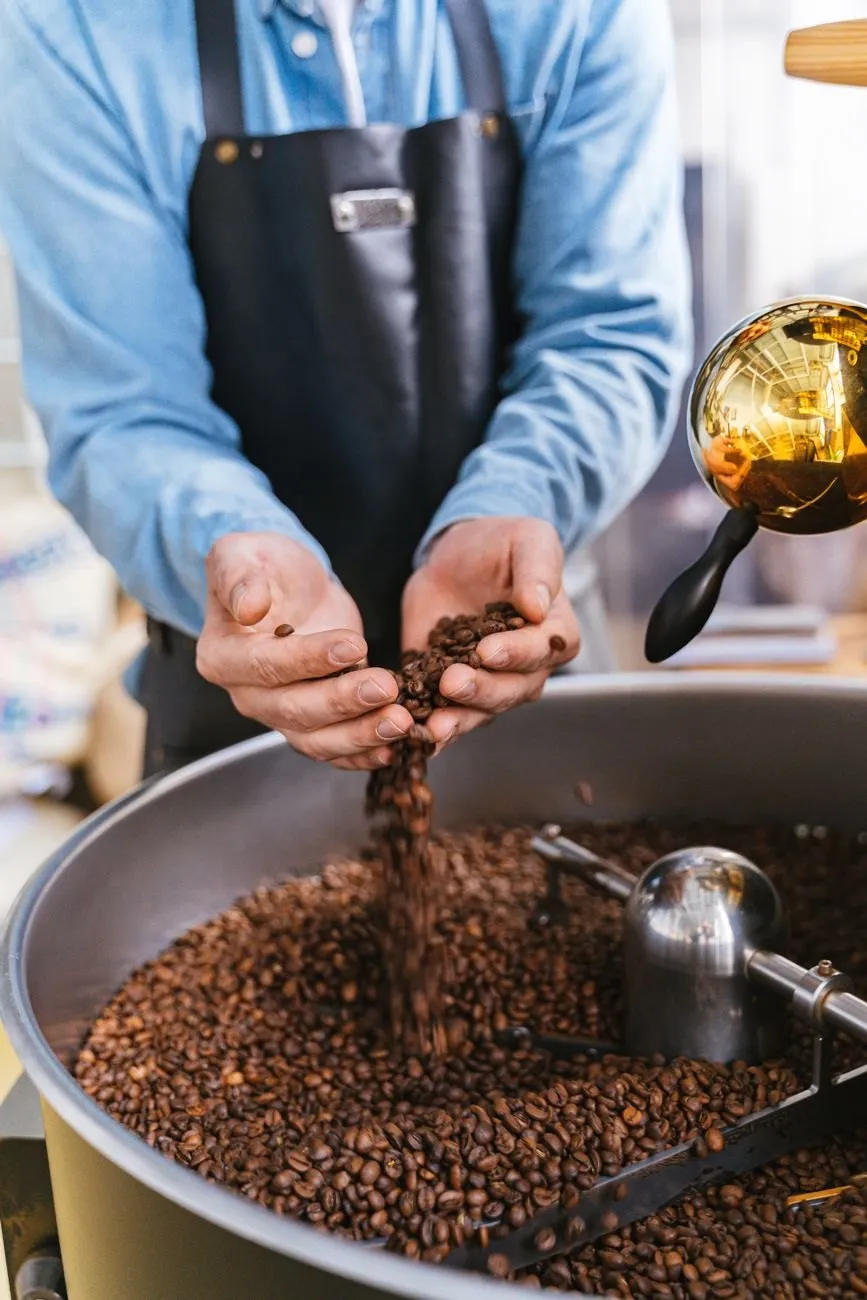
Twelve kilos at a time on a 1972 drum. Every bag carries the sheet it was roasted on — charge, turn, crack, drop — because the minute and three quarters after first crack is the whole difference between a coffee and a burnt one.
£14.50 a 250 g bag
Free UK post over £30 · roast-to-order subscription from £12.90 a bag · first delivery on the next roast day
The signature — sheet 418, Gitwe, 12.0 kg
Scroll is time in the roast.
Ten minutes and twenty-two seconds, charge to drop, drawn from the bean probe. The plate on the left is the bean at that point in the roast. Nothing here runs backwards, because nothing in a roast does.
Development
The share of the roast that happens after first crack. It is also the grade every photograph on this site carries.
-
0:00 · 195 °C
Charge
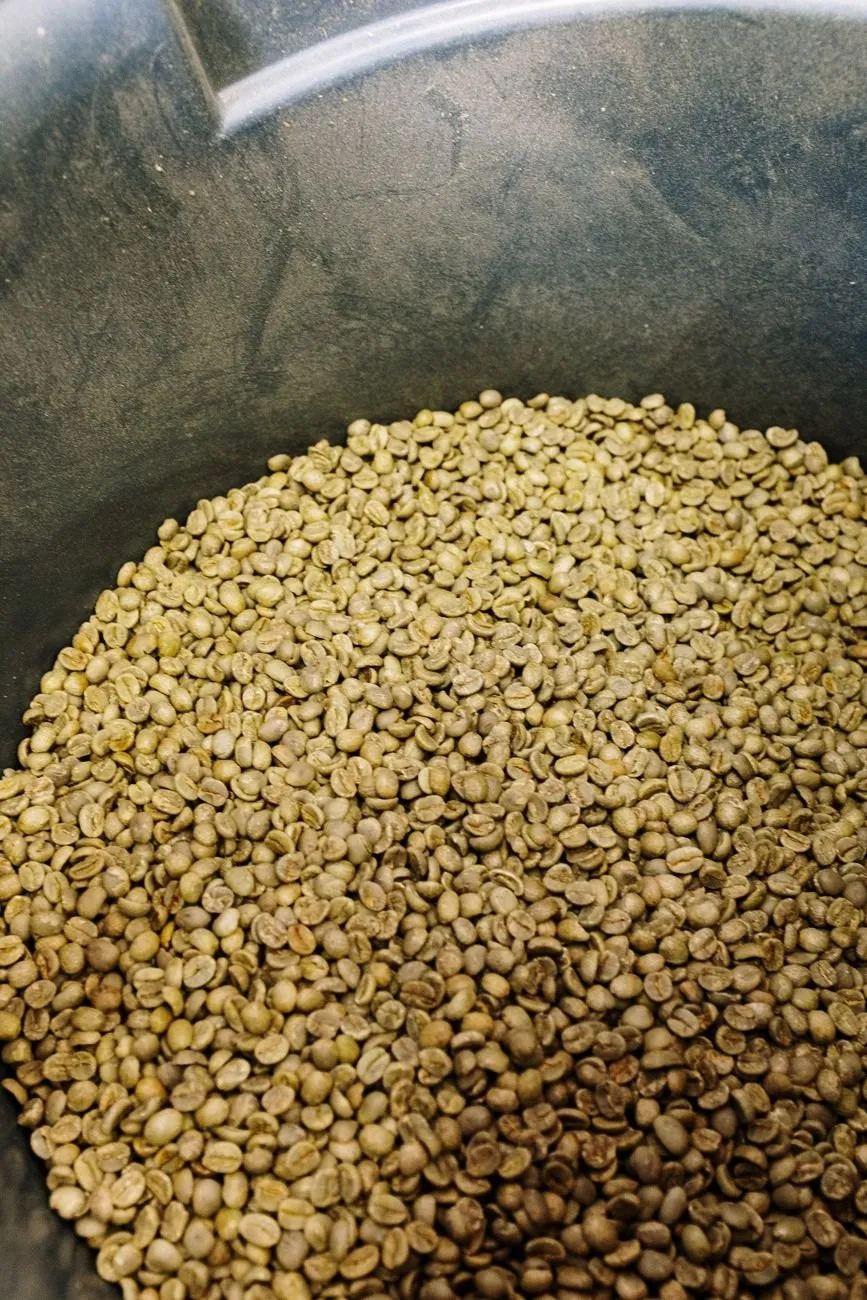
Green in, drum at 195 °C. The bean is colder than the drum and pulls it down.
Development ratio 0.0 %
-
1:38 · 92 °C
Turning point
The bean stops cooling the drum and starts taking heat. 1:38 on the sheet.
Development ratio 0.0 %
-
5:30 · 152 °C
Drying
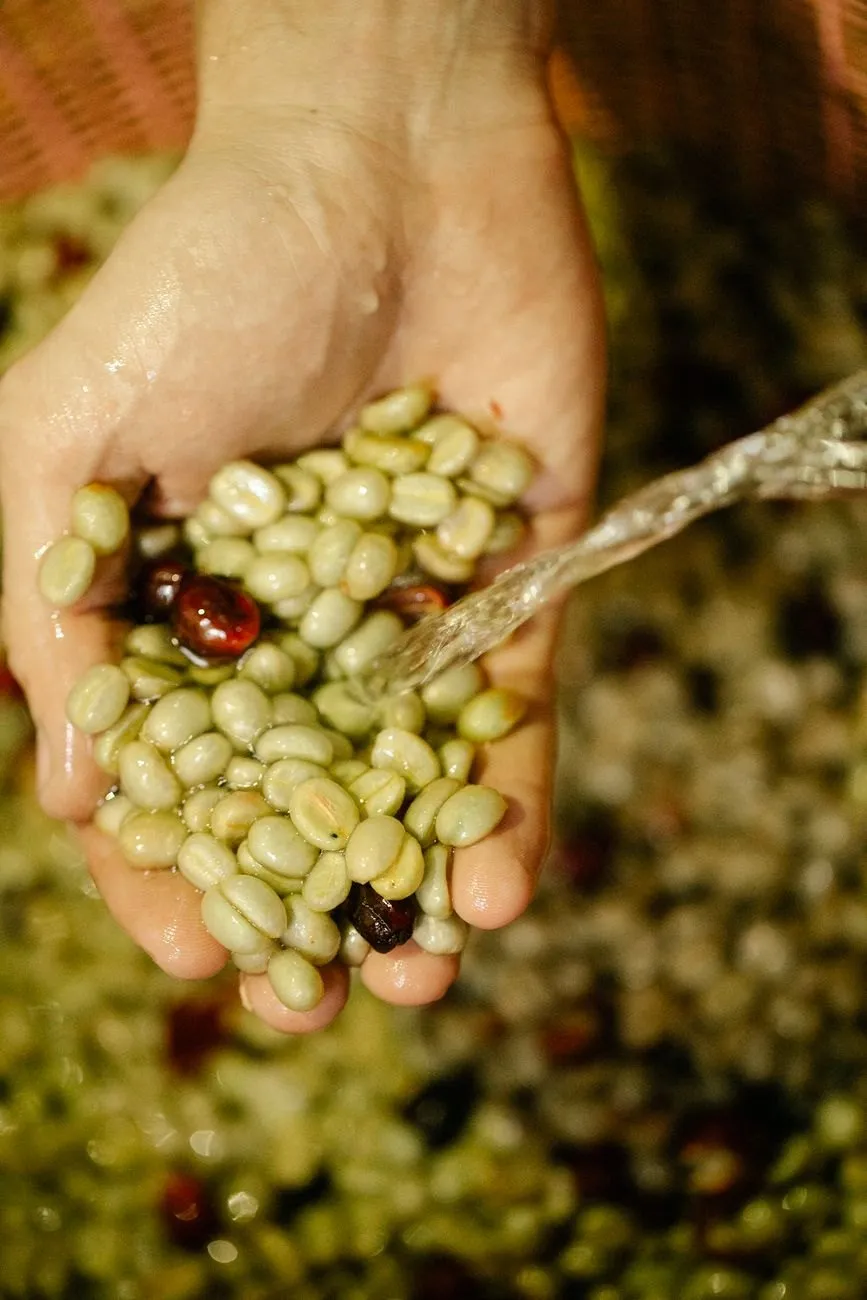
Free water leaves. Straw to tan, and nothing about the final colour is decided yet.
Development ratio 0.0 %
-
8:36 · 196 °C
First crack
The bean fractures audibly. Development starts here, and so does the grade.
Development ratio 0.0 %
-
9:30 · 201 °C
Development
Sugars brown, acids fall. Every second here costs some of what we bought the lot for.
Development ratio 9.5 %
-
10:22 · 204 °C
Drop
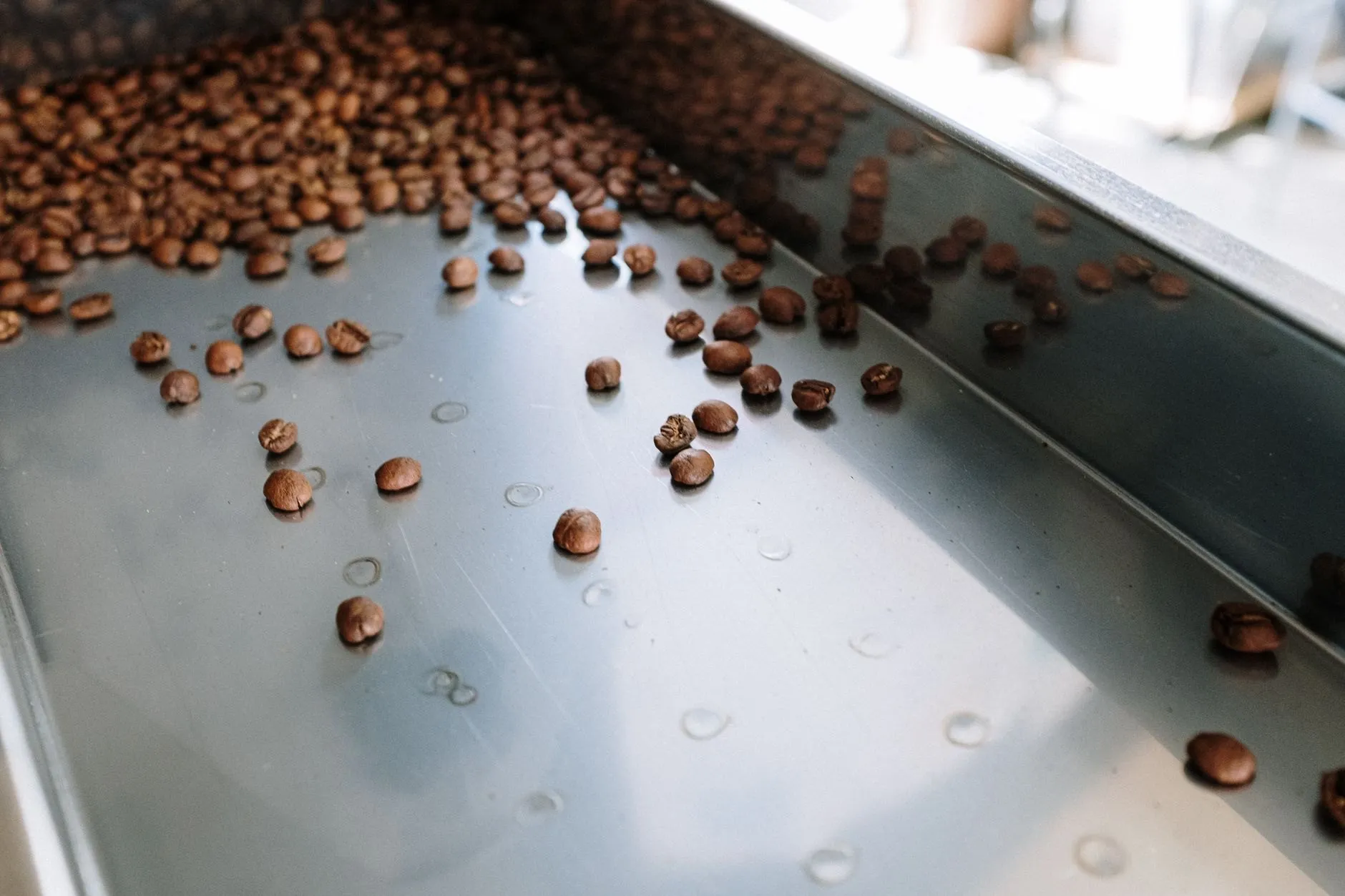
Out to the tray at 10:22, 204 °C. Development ratio 17.0 %.
Development ratio 17.0 %
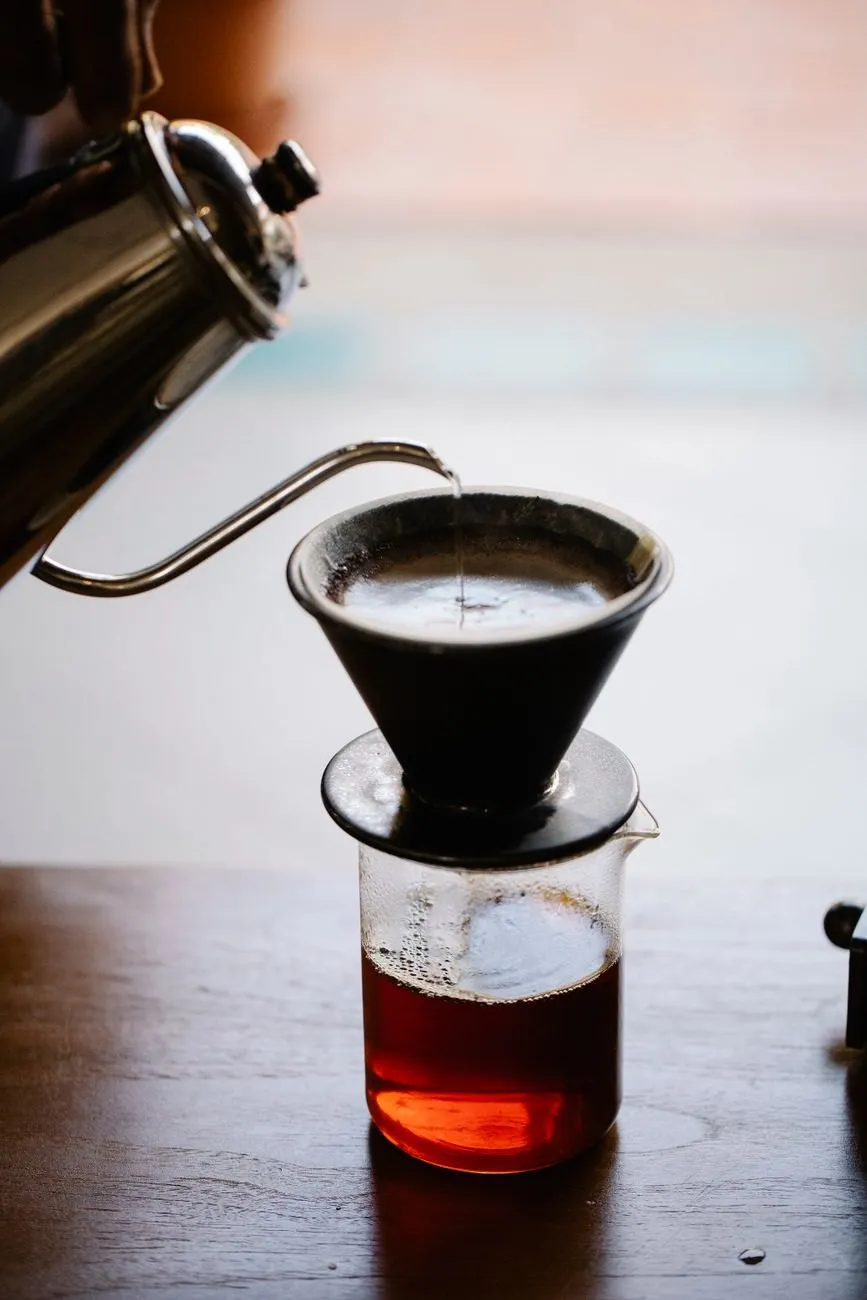
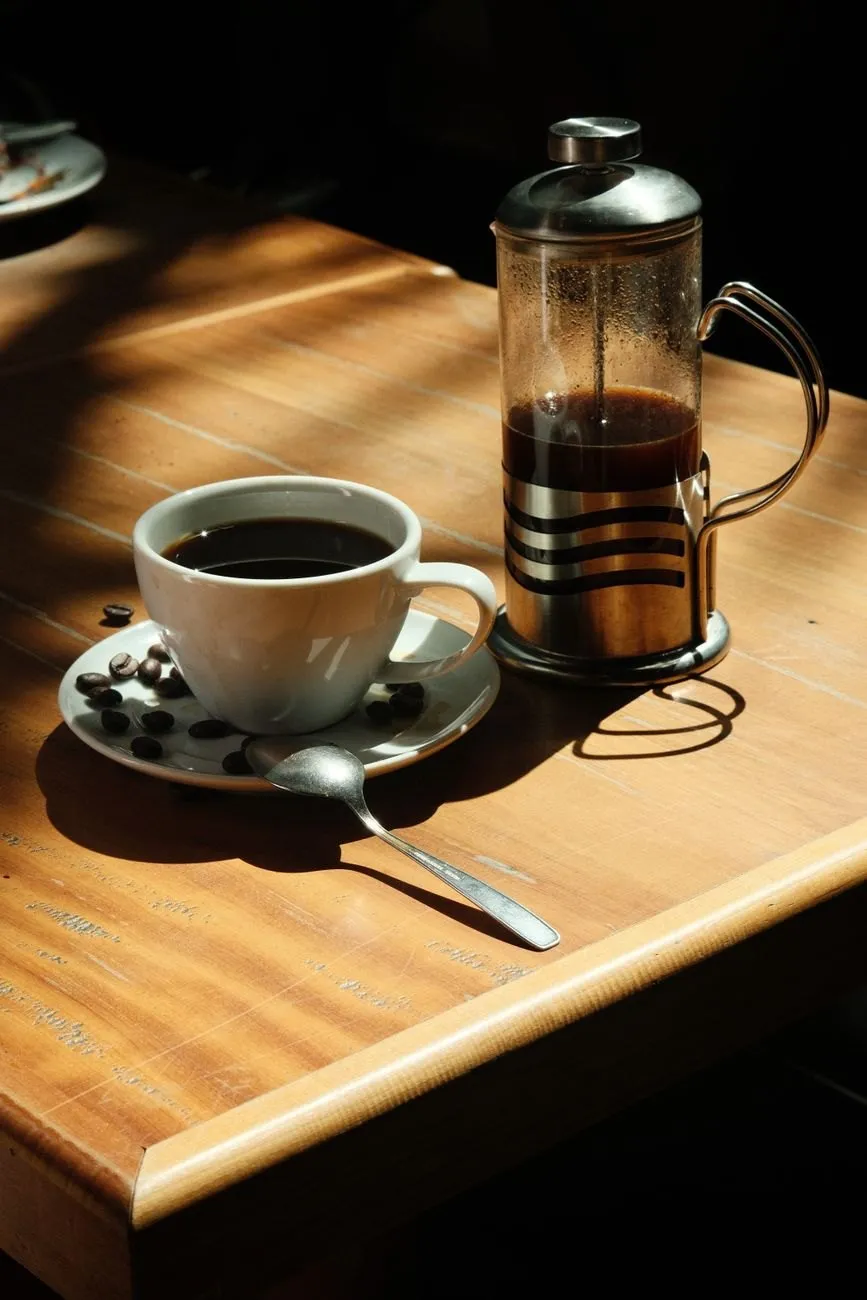
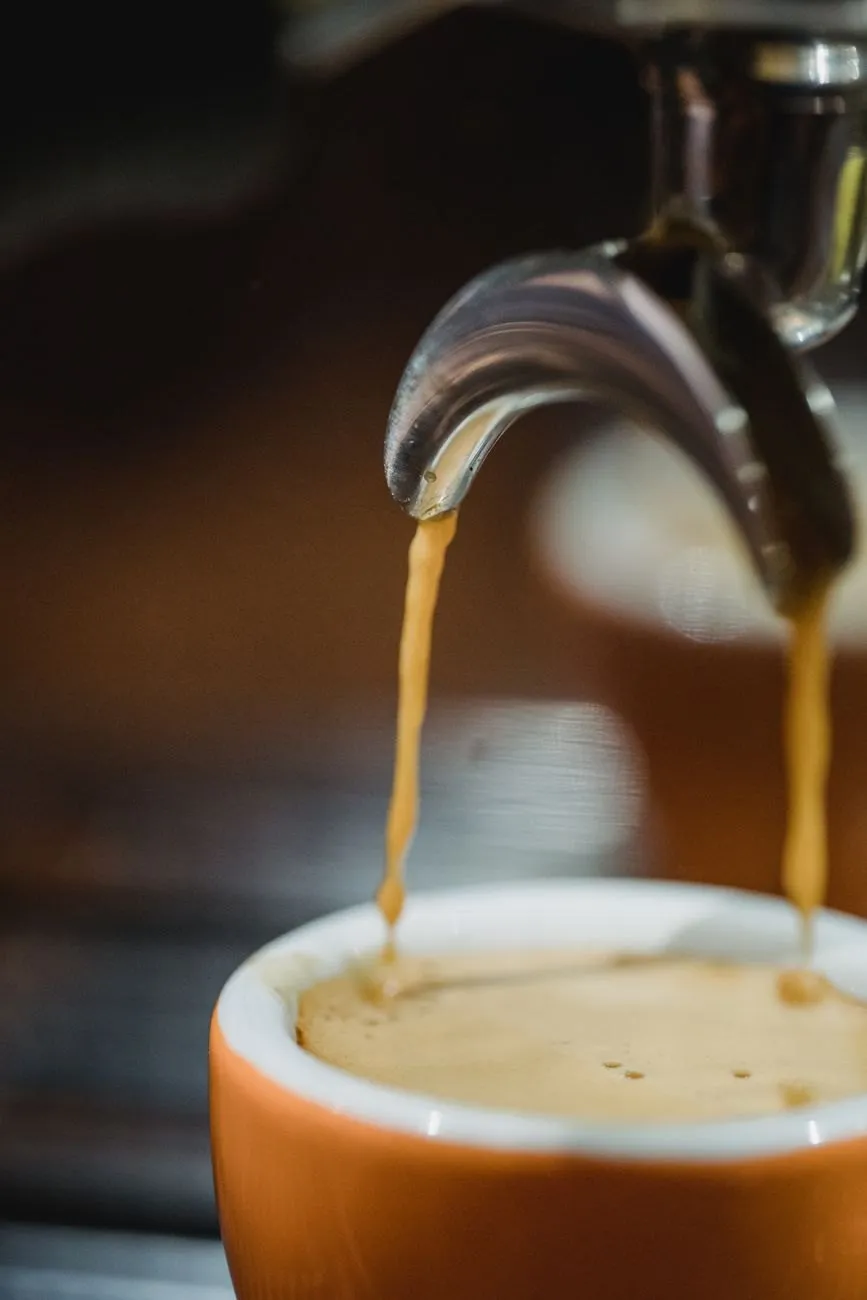
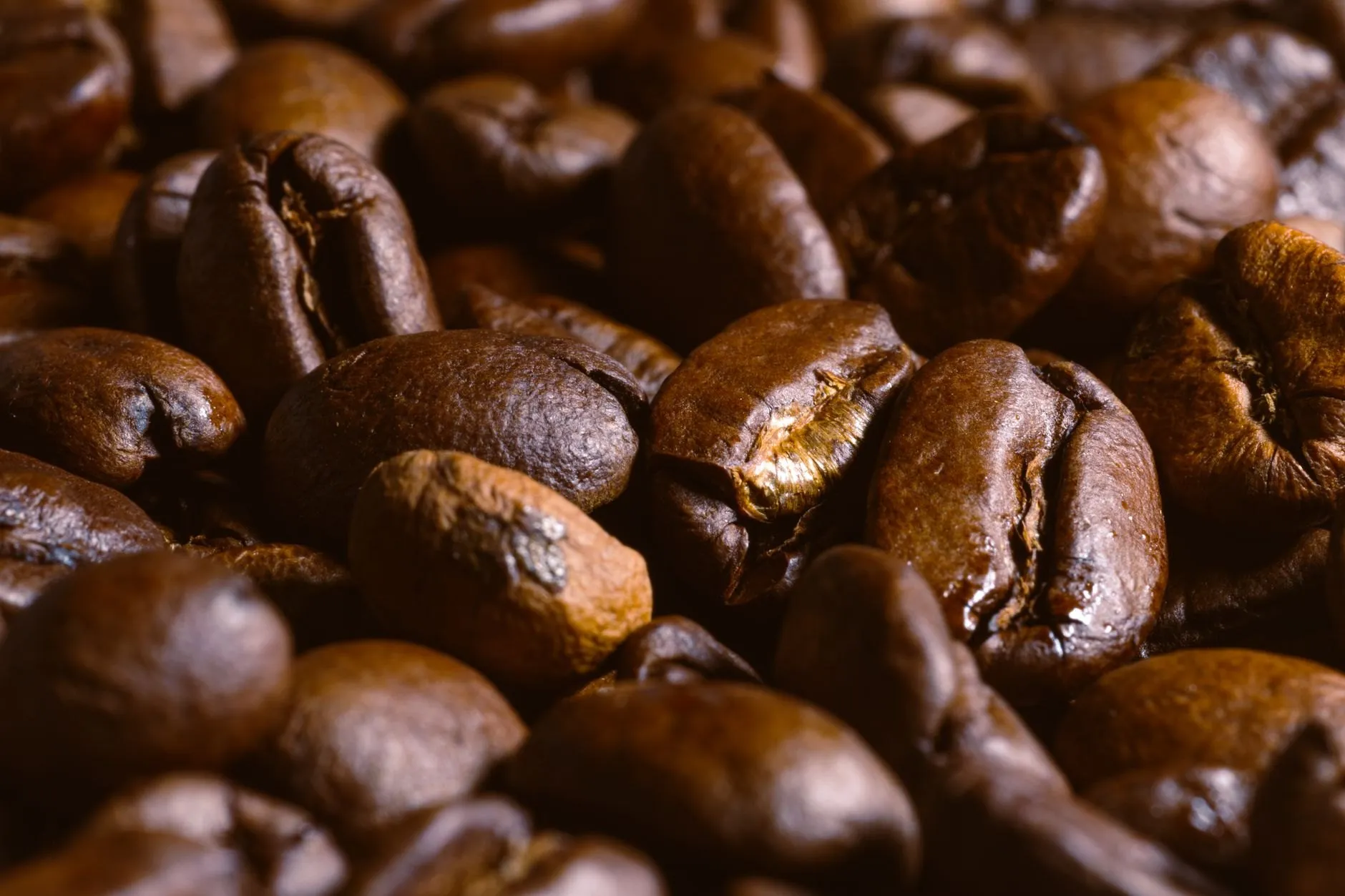
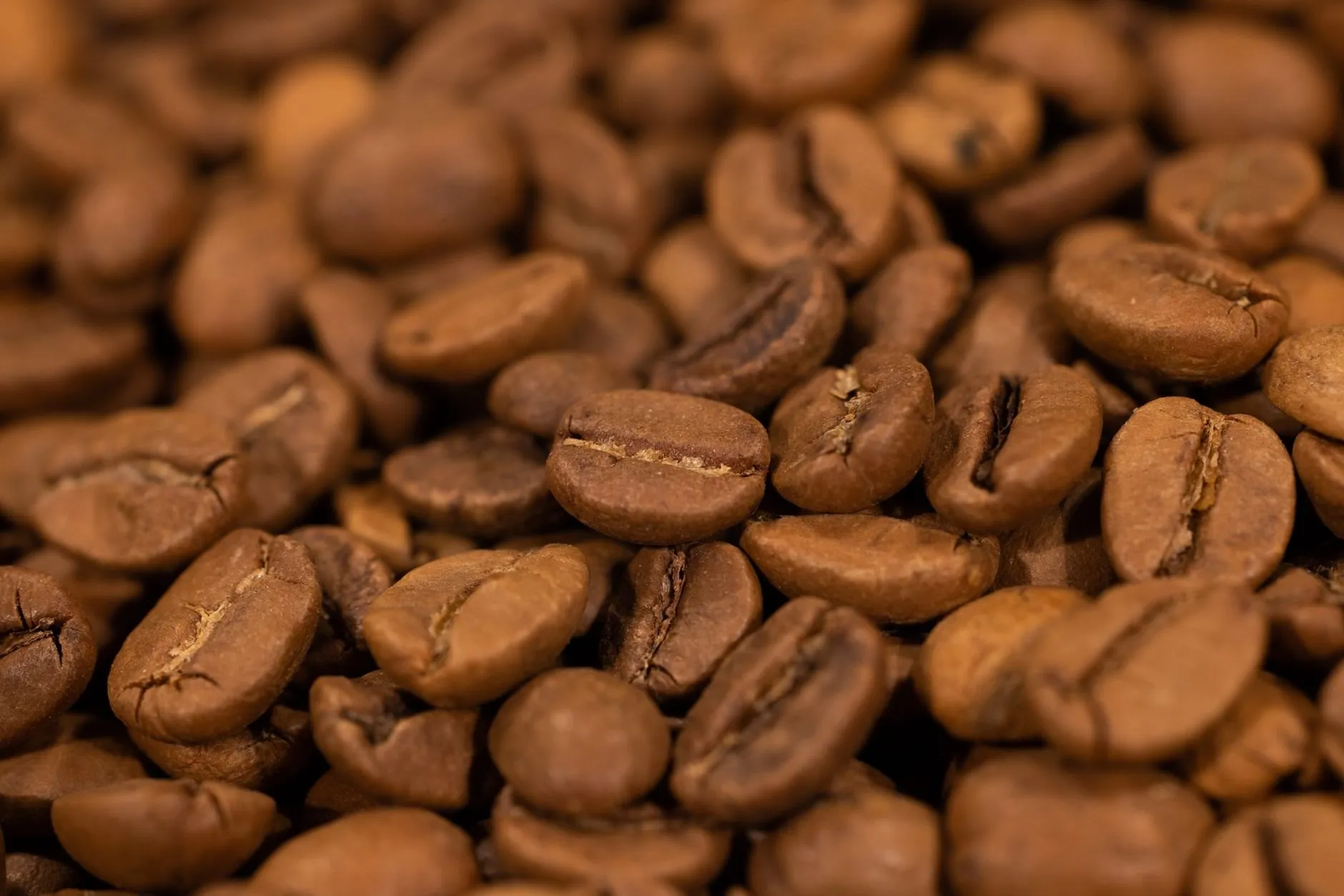
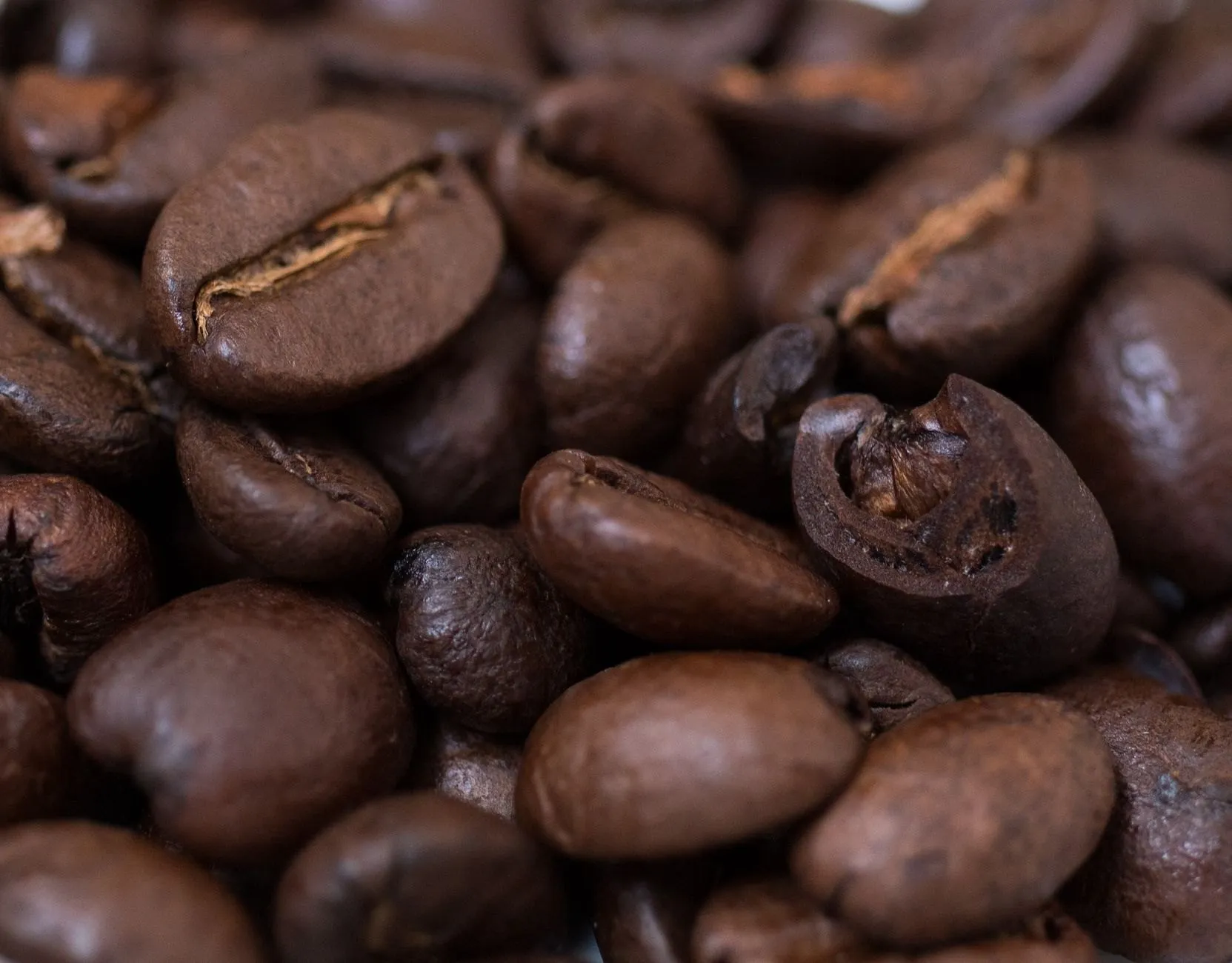
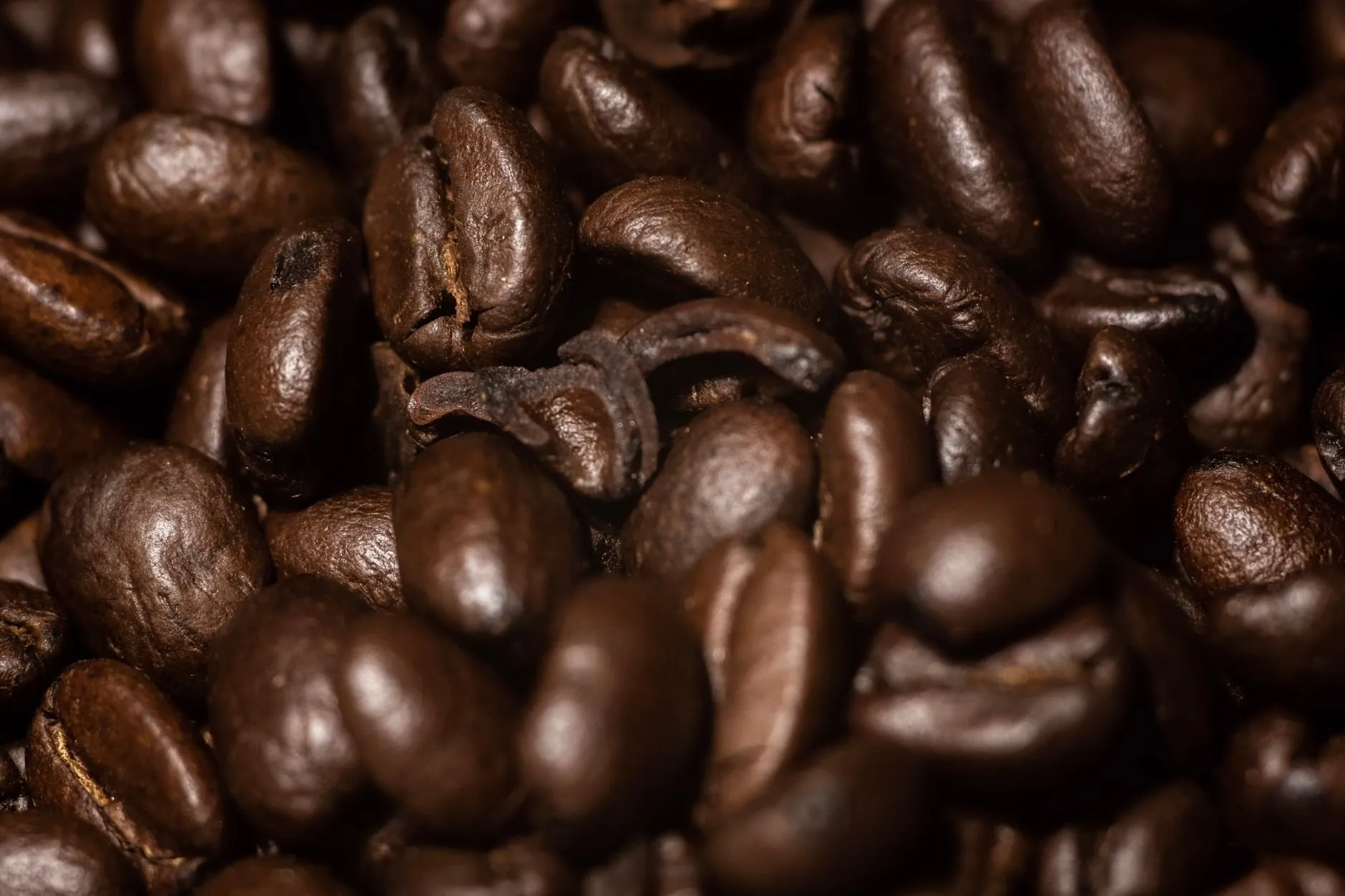
Six photographs of coffee at six real roast levels, each graded by the development ratio elapsed at that point — so the four frames before first crack are graded by a factor of exactly one, and ship untouched. See the null case: batch 000, gas off
On the shelf this week
Six lots, roasted to their own sheet.
Each one has a development ratio we settled on after three or four attempts, and each bag is posted the day it comes off the drum. 250 g, whole bean or ground to your brewer.
Karimikui
Kirinyaga, Kenya · washed
blackcurrant · grapefruit pith · cane sugar
£14.50 dev 17.4 % · drop 203 °C
Alaka
Guji, Ethiopia · washed
bergamot · white peach · jasmine
£15.60 dev 15.8 % · drop 202 °C
Gitwe
Nyamasheke, Rwanda · natural
strawberry · cocoa nib · black tea
£13.20 dev 17.0 % · drop 204 °C
La Ilusión
Chalatenango, El Salvador · honey
red apple · demerara · almond
£12.40 dev 17.5 % · drop 206 °C
Cerro Azul
Valle del Cauca, Colombia · washed
milk chocolate · orange peel · toffee
£11.80 dev 19.3 % · drop 208 °C
Sítio Bela Vista
Mantiqueira, Brazil · natural
roasted hazelnut · dark chocolate · brown sugar
£10.90 dev 20.6 % · drop 211 °C
Wholesale
Twenty-two cafés, one delivery round, no minimum after the first order.
We roast to your dial-in, not ours. You get the sheet for every batch, a standing slot on Tuesday or Thursday, and a roaster who answers the phone while the drum is running.
- 1–5 kg a week
- £19.40 / kg
- 6–20 kg
- £17.80 / kg
- Over 20 kg
- £16.20 / kg
From the journal
All writingDevelopment ratio, and why we print it on the bag
The minute and three quarters after first crack decides most of what you taste. Here is the one number we steer by, what it does to the cup at each end of its range, and how to read it off the sheet in your bag.
Rest: why the bag tastes different on day nine
Coffee opened the morning it is roasted tastes flat, gassy and oddly thin. The same bag on day nine tastes like the thing we sold you. Here is what is happening inside the bean, and how long to leave it.